

Best Places to Visit in Egypt: Cairo, Luxor, Aswan, Alexandria and the Red Sea
Quick answer
The best places to visit in Egypt are Cairo (for the Pyramids and museums), Luxor and Aswan (for pharaonic temples and Nile scenery), Alexandria (for Mediterranean history), and the Red Sea (for diving and beaches). These five cover ancient monuments, seaside culture and underwater life — the combination most travellers seek.
Why these places?
They represent the broad appeal of Egypt: Cairo as the modern gateway and home of the Great Pyramids; Luxor and Aswan where most major temples and tombs are concentrated along the Nile; Alexandria for a different, Mediterranean-layered history; and the Red Sea for world-class snorkeling and resorts. Visiting a mix gives a balanced picture of archaeology, city life and relaxation.
Highlights: Cairo, Luxor, Aswan, Alexandria, the Red Sea
Cairo
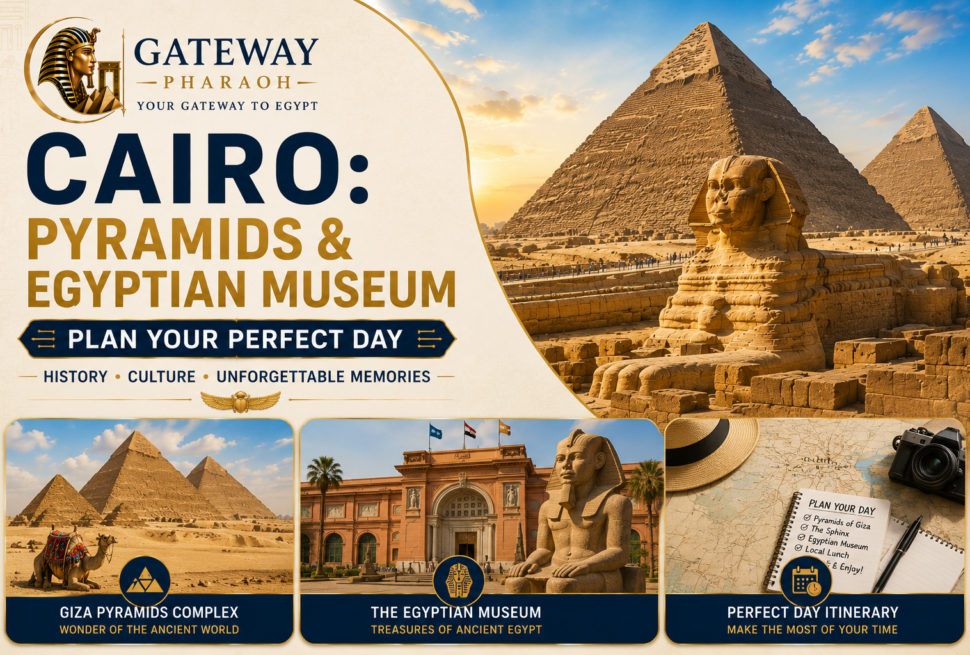
Must-sees: Giza Plateau (Pyramids, Sphinx), the Egyptian Museum (or the National Museum of Egyptian Civilization for the royal mummies exhibition), Khan el-Khalili bazaar. Practical tip: traffic is heavy — cluster your visits by neighbourhood or use an experienced local guide.
Luxor
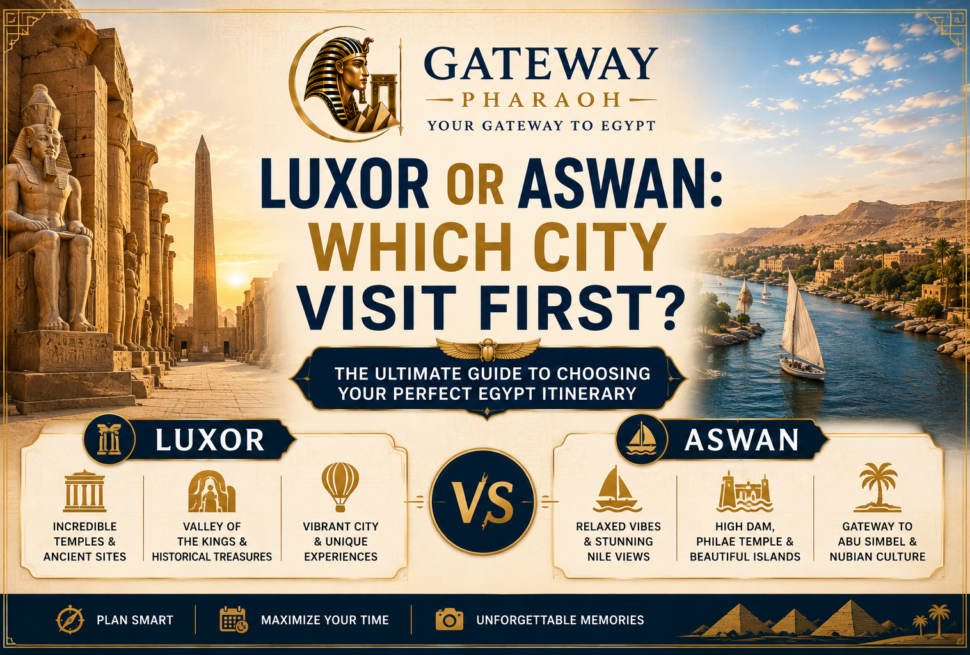
Must-sees: Karnak Temple complex, Luxor Temple (night visits can be atmospheric), the Valley of the Kings and the Valley of the Queens. Many travellers base here to explore both East and West Bank sites; early starts beat heat and crowds.
Aswan
Must-sees: Philae Temple, the High Dam, and the relaxed Nile-side ambiance. Aswan is also the usual gateway for cruises south to Abu Simbel. Consider a felucca ride at sunset for a quieter Nile experience.
Alexandria
Must-sees: the Bibliotheca Alexandrina, the Qaitbay Citadel on the Corniche, and seaside promenades. Alexandria offers a coastal contrast to Upper Egypt’s temples and is easily combined with Cairo visits.
Red Sea resorts
Must-sees: Hurghada and Sharm el-Sheikh for diving, plus quieter islands like Giftun. The Red Sea is ideal for post-temple relaxation or a marine-focused stay — visibility and coral make it a global diving draw.
At-a-glance comparison
| Place | Top highlights | Recommended stay | Best time |
|---|---|---|---|
| Cairo | Pyramids, museums, bazaars | 2–4 days | Oct–Apr |
| Luxor | Karnak, Valley of the Kings | 2–3 days | Oct–Apr |
| Aswan | Philae, Nile views | 1–2 days (longer if cruising) | Oct–Apr |
| Alexandria | Bibliotheca, citadel, corniche | 1–2 days | Mar–Nov (milder than interior) |
| Red Sea | Scuba/snorkel, beaches | 2–5 days | Oct–May (dives year-round in many spots) |
Practical examples / sample itineraries
Here are two practical tour-style examples to illustrate how to combine these places:
- Classic 10-day mix (example): Cairo 3 nights – Alexandria day trip – fly to Aswan, visit Philae, cruise or transfer to Abu Simbel – Luxor 2 nights – finish in Cairo. Gateway Pharaoh offers a similar route in its 10-day Classical Egypt tour: 10-Day Classical Egypt Tour.
- Temples plus beach (10 days): Cairo 3 nights – fly to Luxor 2 nights – transfer to Hurghada or fly and relax 3–4 nights on the Red Sea. See the Gateway Pharaoh Cairo–Luxor–Hurghada option for a ready itinerary.
Money: tourist spending vs resident monthly living costs (indicative)
Distinguish tourist spending (short-term accommodation, guided tours, internal flights, entrance fees and food) from resident monthly living costs (rent, utilities, groceries). Figures below are indicative and subject to season, neighbourhood and exchange rates.
- Typical tourist daily budget (indicative, 2026): budget ~US$30–60, mid-range ~US$70–180, higher-end US$250+ per person per day. These ranges depend on hotels, private guides and internal flights.
- Resident monthly living costs (indicative, 2026): aggregated databases show wide variation — see Numbeo and Expatistan for city-by-city estimates. These figures are for local living, not travel spending: Numbeo, Expatistan.
Always check up-to-date exchange rates and factor in entrance fees and private transport if you prefer tailored tours.
Safety, visas and best time to go
Safety situation and visa rules change. Check official government pages before you travel: for U.S. government travel advisories see the U.S. State Department travel advisory for Egypt, and for consular and visa information consult your nearest Egyptian embassy or consulate. Links are in the References.
Best time to visit most of these sites is autumn through spring (roughly October–April) to avoid peak summer heat in Upper Egypt. The Red Sea has consistent diving seasons; winter months still offer warm water in sheltered areas.
FAQs
1. How many days do I need to see the main sites?
Plan at least 7–10 days to cover Cairo, one Nile city (Luxor or Aswan) and a short Red Sea stay. Ten days lets you travel at a comfortable pace with time for museums and a beach break.
2. Is Egypt suitable for solo travellers?
Yes, many solo travellers visit. Use reputable guides, book transfers in advance and check current advisories. Group tours are an efficient way to see major sites safely and with logistics taken care of.
3. Do I need a guide for the archaeological sites?
Guides add context and save time at major sites; licensed Egyptologists and local guides can enrich temple and tomb visits. Guided tours are recommended but not mandatory.
4. Can I combine Cairo and the Red Sea in one trip?
Yes. It’s common to fly between Cairo and Hurghada or Sharm el-Sheikh or to travel overland after visiting Luxor. Gateway Pharaoh’s Cairo–Luxor–Hurghada itinerary is designed for this mix.
5. Where can I find entry requirements and travel advisories?
Refer to official government sources before travel: the U.S. State Department travel advisory and the Egyptian embassy in your country are primary references.
Ready to plan?
If you want a tested route combining temples and the sea, review Gateway Pharaoh’s sample itineraries: the 10-Day Classical Egypt Tour and the 10-Day Cairo–Luxor–Hurghada. Contact a trusted operator to adapt duration, pace and interests — most travellers find a mix of history plus one seaside break to be the most rewarding.
References
- Experience Egypt
- Experience Egypt — Useful information
- Visit Egypt
- U.S. State Department — Egypt travel advisory
- Egypt Embassy — Travel
- Numbeo — Egypt cost of living (indicative)
- Expatistan — Egypt cost of living (indicative)
Note: cost examples are indicative (2026) and vary by city, neighbourhood, season and exchange rate. For current entry rules and safety guidance, always consult official government sources before booking.