


Quick answer
Yes — living in Egypt as a foreigner is achievable and common, but your experience depends heavily on which city you choose, your income, and how long you plan to stay. Cairo and Alexandria offer urban services and international communities; Red Sea towns (Hurghada, El Gouna) attract beach-focused expats; Luxor and Aswan suit those seeking a slower, culturally immersive life. Understand the difference between short-term tourist spending and ongoing resident costs, check official visa and safety guidance, and plan for language adaptation and paperwork.
Choosing a city: where foreigners live and why
Best cities to live in Egypt often appear on lists for different reasons — jobs, lifestyle, climate or historic atmosphere. Briefly:
- Cairo — largest expat services, international schools, major hospitals, job opportunities, varied neighbourhoods (New Cairo, Zamalek, Maadi).
- Alexandria — Mediterranean port city with milder summers and a lived-in coastal culture.
- Hurghada / Red Sea coast — popular with divers, retirees and seasonal residents; more resort-style amenities.
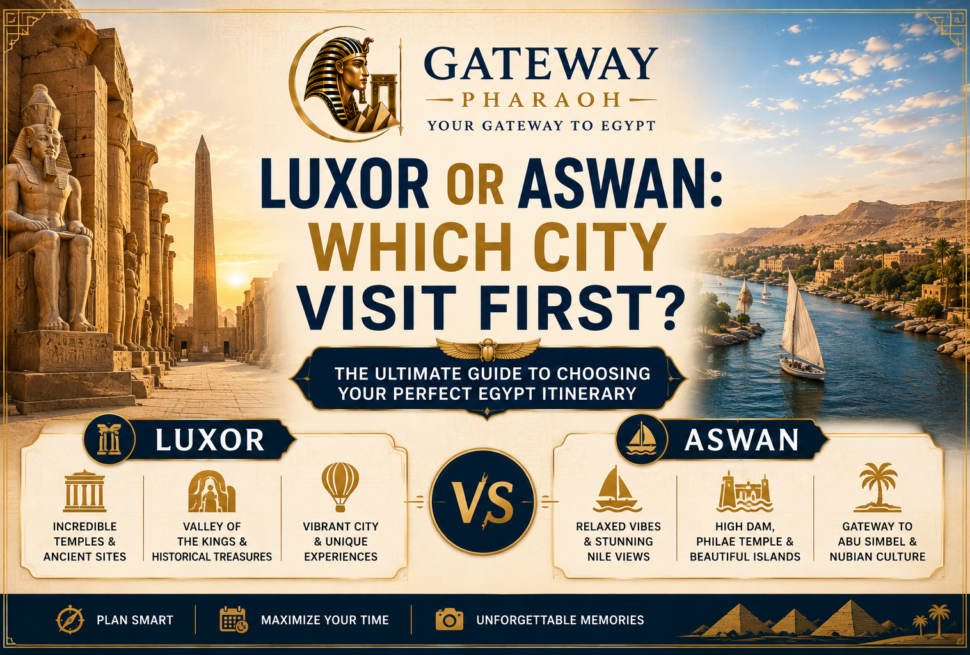
- Luxor / Aswan — slower pace, lower living costs, close to major archaeological sites; fewer modern services than Cairo.
To preview different regions of Egypt before committing, consider an organized tour such as a 10-day Egypt tour that covers Cairo, Luxor and Hurghada or a longer 15-day introduction to the country. These trips help you feel neighborhoods, services and climate before moving permanently: 10-day Egypt tour (Cairo, Luxor, Hurghada) and 15-day Egypt tour.
Daily life & essential services
- Shopping & groceries: Supermarkets, local markets and neighbourhood grocers are widely available in cities. Imported goods cost more.
- Utilities & internet: Water, electricity and gas are reliable in major cities but can vary by building; many expats use bottled water for drinking. Broadband and mobile internet are good in urban areas.
- Language: Arabic is the official language; English is widely spoken in tourist areas, among professionals and in private schools. Learning basic Arabic eases daily life.
- Banking & payments: Banks are accessible in cities; carry some cash for taxis and smaller markets. International debit/credit cards are accepted at hotels and larger shops.
Money: tourist spending vs resident monthly costs
Tourist daily budgets and resident monthly budgets are very different. Tourist costs include short-term hotels, internal flights or guided tours and meals out. Resident costs focus on rent, utilities, local groceries, transport and schooling or healthcare.
Indicative cost guidance (as of Aug 2026):
- Typical tourist spend: a mid-range traveller might spend $60–$150 per day (hotels, tours, meals). A luxury tourist budget is much higher.
- Resident monthly costs (indicative): according to crowd-sourced data aggregators (Numbeo, Expatistan) — ranges vary by city and lifestyle. For example, a single person living modestly in a city like Cairo might expect local monthly living costs (excluding rent) in a range roughly equivalent to $300–$600; rent varies dramatically by neighbourhood and property type. These are indicative ranges only — always check current local data and exchange rates.
Sources for cost comparisons include Numbeo and Expatistan — both are useful starting points but reflect user-reported averages rather than official rates.
Housing and neighbourhoods
Housing options run from old apartment buildings in central neighbourhoods to gated compounds and modern towers in New Cairo and the New Administrative Capital. Expect:
- Older apartments near city centres: lower rent but variable maintenance.
- Gated compounds and new developments: higher rent, more Western-style amenities and security.
- Coastal towns: apartment blocks and villas near the shore — good for seasonal residents.
Healthcare & education
Major cities have private hospitals and clinics with English-speaking staff; procedures and standards vary. International schools exist in Cairo and Alexandria; options are limited in smaller cities. For major medical care and specialized schooling, many expats use services in Cairo. Always verify accreditation and verify international insurance coverage before relocating.
Paperwork, visas & permits
Visa rules and residency requirements change. Do not rely on this article for legal advice — check the Embassy of Egypt and official travel-advisory pages for up-to-date entry, visa and residency procedures: see the Egypt Embassy travel page and the US State Department Egypt travel advisory. For visitor practicalities and local guidance, Experience Egypt’s useful information pages are helpful starting points: Experience Egypt useful information.
Safety and transport
Safety conditions vary by region and can change. Check government travel advisories before moving or changing residence. Urban transport options include metro lines (Cairo), buses, microbuses, taxis and ride-hailing apps; traffic can be heavy and driving styles differ from many Western countries.
City comparison (quick table)
| City | Main expat draw | Typical cost level | Best for |
|---|---|---|---|
| Cairo | Jobs, schools, hospitals, culture | Medium | Professionals, families |
| Alexandria | Coastal city life | Medium | Those wanting coast + city |
| Hurghada/Red Sea | Beaches, diving, tourism | Medium (seasonal variations) | Retirees, divers, seasonal residents |
| Luxor/Aswan | History, slower pace | Lower | Cultural immersion, lower-cost living |
Practical monthly examples (illustrative)
These examples are illustrative and based on crowd-sourced cost aggregators (Numbeo, Expatistan) and typical market observations as of Aug 2026. They are not official budget advice.
- Single person in Cairo (modest lifestyle): local groceries, utilities, mobile/internet, transport and occasional dining — indicative monthly non-rent costs $300–$600. Rent for a one-bedroom in central/expat neighbourhoods varies widely.
- Couple in Hurghada (comfortable lifestyle): utilities, groceries, transport, leisure — non-rent costs could sit within a similar band, with seasonal spikes in tourist season.
For up-to-date, city-specific cost breakdowns consult Numbeo and Expatistan and adjust for lifestyle, neighborhood and inflation.
FAQs
1. Is it safe for foreigners to live in Egypt?
Safety varies by location and over time. Check up-to-date government travel advisories and local news; many expats live in Egypt without incident but remain aware of regional developments (US travel advisory).
2. Can I get healthcare as a resident?
Yes — private hospitals in major cities provide quality care. International or global health insurance is strongly recommended.
3. How do I find housing?
Real estate agents, online listings, and local contacts are common channels. Consider short-term rental or a tour visit to explore neighbourhoods first.
4. Will I need Arabic?
Basic Arabic helps. English is common in business, healthcare and tourist zones but less so in smaller towns.
5. How different is tourist spending vs living costs?
Tourist spending is generally higher per day (hotels, guided tours) while residents pay monthly rent and utility bills — usually lower daily averages but bigger recurring costs.
6. Where can I get official entry and residency information?
Check the Embassy of Egypt and national immigration sites; our references include official embassy and tourism pages (see References).
References
- Experience Egypt
- Experience Egypt — Useful information
- Visit Egypt
- US State Department — Egypt travel advisory
- Egypt Embassy — Travel
- Numbeo — Egypt cost of living
- Expatistan — Egypt cost of living
Planning next steps
If you’re considering moving, start with a short exploratory visit or a structured tour to sample life in different regions. Gateway Pharaoh’s multi-day routes can introduce you to urban, river and Red Sea lifestyles — try our 10-day Cairo–Luxor–Hurghada itinerary or the 15-day Egypt tour to compare cities and services on the ground. If you’d like, we can point to regional neighbourhood guides, a checklist for moving (documentation, health insurance, language basics), or recommend local contacts to answer your specific relocation questions.